


The market for intimate care products has long harbored significant latent consumer demand. After all, the desire for beauty is universal; everyone’s pursuit of aesthetic perfection is reflected in their preference for skincare products. Consequently, the choice of a cosmetics OEM (Original Equipment Manufacturer) becomes a critical decision. Below, we outline the key considerations for the contract manufacturing of intimate care products.
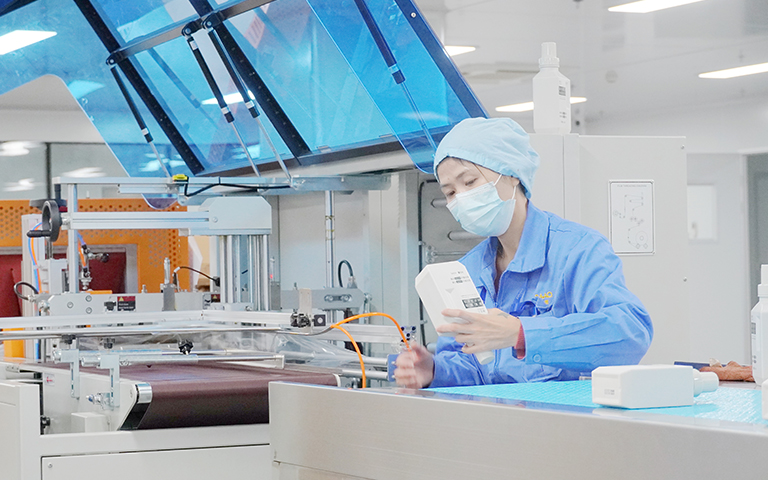
The first step in the contract manufacturing of intimate care products is sample confirmation. In fact, this process should ideally be completed *before* signing the contract. If not completed beforehand, it must be thoroughly addressed during the signing of the skincare manufacturing agreement. It is essential to require the factory's R&D department to be meticulous in their sampling process, clearly specifying requirements regarding product name, efficacy, physical consistency, fragrance profile, and any other unique specifications. Once the samples are produced, they should be sent to the client for review, while the manufacturer retains a reference copy. Upon receipt, the client should conduct extensive testing on the samples. Generally, manufacturers are willing to produce additional samples if requested. This iterative sampling process continues until a version is produced that satisfies both parties, at which point the contract can be signed. The next stage in the contract manufacturing of intimate care products is the procurement process. If the manufacturer is responsible for sourcing the raw materials and components for the personal care products, then the sampling phase—specifically the creation of physical prototypes—becomes an even more critical component of the overall process. Whether involving printing or packaging, there must be absolutely no errors—particularly regarding packaging colors. Computer-generated design proofs must be carefully cross-referenced against specific color codes (e.g., Pantone numbers) on the labels. In reality, slight discrepancies often arise between digital proofs and the final physical samples; therefore, the physical confirmation of these samples is of paramount importance.
Additionally, the contract manufacturing of intimate care products typically operates on the principle of producing a slight surplus. After all, unforeseen losses or spoilage can occur during the comprehensive production cycle. Consequently, when the finished products are delivered to the client, a certain percentage of overage is naturally included to ensure the client receives the full contracted quantity. Typically, strictly managed manufacturing facilities conduct quality control inspections upon the products' entry into the warehouse to verify consistency with the bulk production batch; any anomalies are addressed immediately. Furthermore, when engaging in the contract manufacturing of intimate care products, it is crucial to be mindful of product combinations involving different chemical ingredients that should not be used simultaneously. For instance, two products with significantly different pH levels should not be mixed. Similarly, acidic exfoliating products are generally incompatible with gel-based products, as combining them may neutralize or negate the efficacy of both.
Moreover, certain cosmetic products containing ingredients such as salicylic acid, ethanol, or Vitamin A should not be used in conjunction, as this can lead to excessive cleansing and render the skin's protective barrier (stratum corneum) fragile. Additionally, caution should be exercised when combining cosmetic products from different geographical regions or schools of formulation. It is advisable to avoid indiscriminately mixing such products, as skincare regimens and product philosophies vary significantly across regions—for example, between Western, Japanese, and Korean markets—and combining them may result in overlapping or conflicting product effects. We recommend that when selecting private care products—particularly those produced via OEM/ODM services—you avoid purchasing and using two products with similar effects simultaneously; using just one is sufficient.
The content above, presented by Guangdong Daao Cosmetics (an OEM/ODM manufacturer), outlines key considerations and relevant issues regarding the contract manufacturing of private care products. If you are curious to learn more, we invite you to take a look—we are confident that you will not be disappointed.