


I. Quality Control System
Judging the quality of products manufactured by a partner cosmetics manufacturing factory requires establishing a comprehensive quality control system. This system should include aspects such as raw material procurement, quality control during the processing stage, and finished product quality inspection. Only by establishing a scientific, standardized, and rigorous quality control system can the stability and reliability of product quality be ensured.
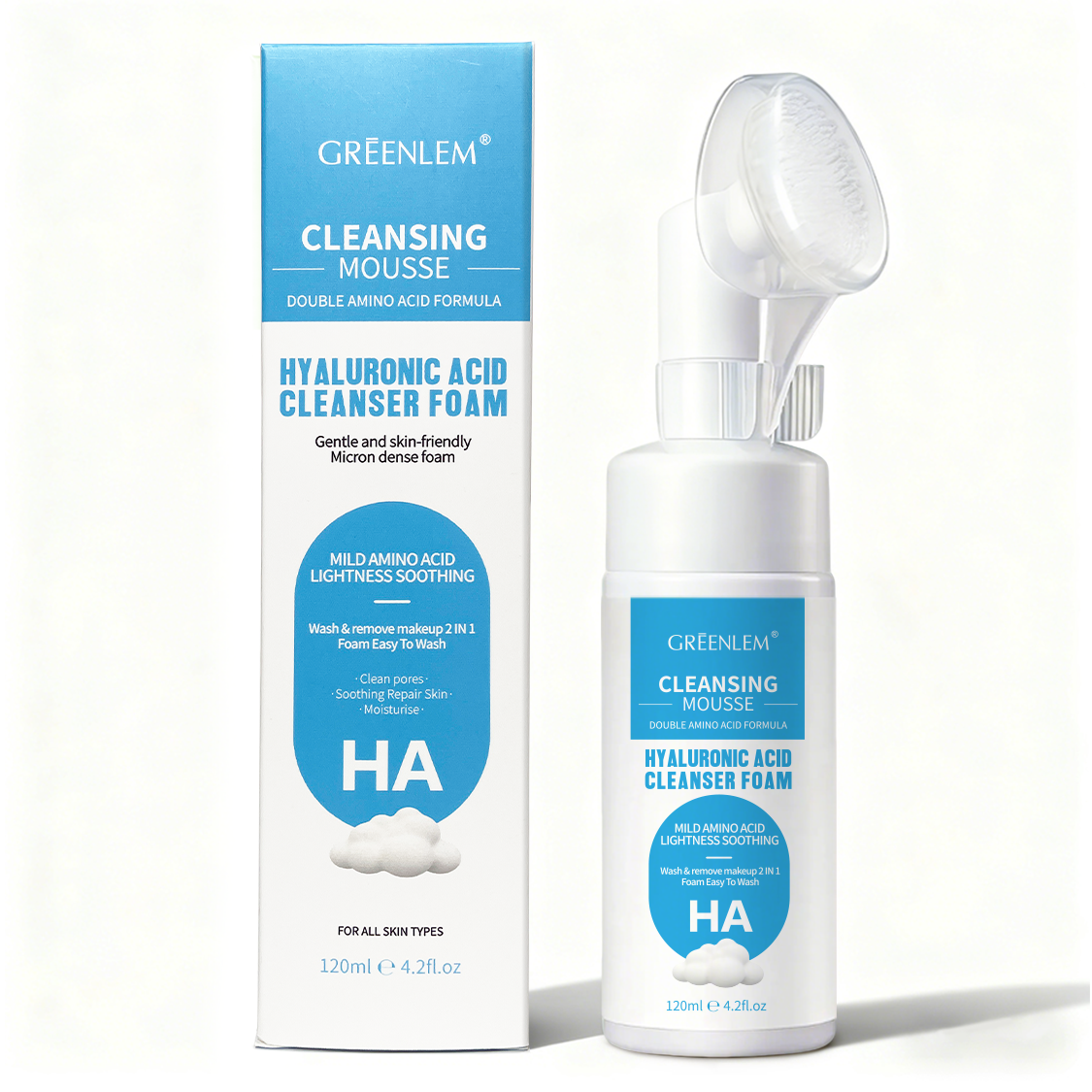
1. Raw Material Procurement: select qualified and certified suppliers and use raw materials that meet product quality standards. Strict screening and inspection of raw materials should be conducted during procurement to ensure they meet the relevant quality requirements. Furthermore, the purchased raw materials should be categorized and managed, and a raw material ledger and inventory management system should be established to ensure the stability and security of the supply chain.
2. Quality Control during Processing: Employ scientific production processes and standard operating procedures to ensure that each step in the processing stage meets the expected quality requirements. Strengthen the training of processing personnel, ensuring they clearly understand the process flow and operating procedures, and strictly adhere to them, ensuring that every step meets quality standards.
3. Finished Product Quality Inspection: Products manufactured by the partner Cosmetics manufacturing factory should undergo rigorous finished product quality inspection. A comprehensive inspection mechanism can be established, including sampling, random inspections, and full inspections during the cooperation period, to ensure that the products meet all quality indicators and standards before leaving the factory.
II. Implementation of Quality Management System
Judging the quality of products manufactured by the partner cosmetics manufacturing factory also requires establishing a specific quality management system. Through the implementation of quality management, the processing quality of the partner factory can be supervised and controlled.
1. Establish a Quality Management Team: The partner should establish a dedicated team responsible for quality management. This team should possess sufficient professional knowledge and experience to effectively supervise and manage the processing process of the partner factory.
2. Establish Quality Management Objectives: The partner and the factory should jointly establish quality management objectives, clearly define quality requirements and indicators, and develop corresponding management measures. The quality management objectives should be clear and specific, allowing for a comprehensive evaluation and assessment of processing quality.
3. Establish a Quality Management System: The partner and the factory should jointly establish a scientific and reasonable quality management system, including the organizational structure, work processes, and operating procedures of quality management, to ensure the smooth operation of quality management work at all stages.
4. Implement Process Monitoring and Improvement: The partner should regularly monitor and evaluate the factory's production process and product quality, promptly identify problems, and take measures to improve them. Regular meetings are held to discuss quality management, summarize lessons learned, and continuously improve quality management levels.
III. Establishing Stable Cooperative Relationships
Judging the quality of processing at a cooperating cosmetics factory also requires establishing stable cooperative relationships. Only by establishing long-term and stable cooperative relationships with excellent factories can the continuous stability of product quality be ensured.
1. Selecting Suitable Partner Factories: When searching for partner factories, in addition to considering price and production capacity, attention should also be paid to the factory's quality management level and resource capabilities. Choose partner factories with relevant qualifications and experience, complete equipment, and standardized management to ensure product processing quality.
2. Conducting Factory Audits: After determining the partner factory, a comprehensive audit should be conducted, including evaluating and inspecting various aspects such as enterprise qualifications, quality management system, and production equipment, to ensure that the factory has the conditions and capabilities for product processing.
3. Establishing Long-Term and Stable Cooperative Relationships: Establish long-term and stable cooperative relationships with excellent factories, build a good cooperation mechanism and communication channels, and promptly resolve problems that arise during the cooperation process. Through close cooperation with the factory, mutual understanding can be fostered, work efficiency can be improved, and quality management can be better implemented.
In summary, judging the processing quality of a cooperating cosmetics manufacturing factory requires establishing a comprehensive quality control system, implementing a quality management system, and establishing stable cooperative relationships. Only through these methods can the stability and reliability of product quality be ensured, and cooperation effectiveness and economic benefits be improved. If you are looking for cosmetics OEM/ODM services, you can contact Guangzhou Meihan, which has been deeply involved in the cosmetics industry for over 20 years, has mature formulas, and provides one-stop services. Welcome to visit our factory for samples and orders.